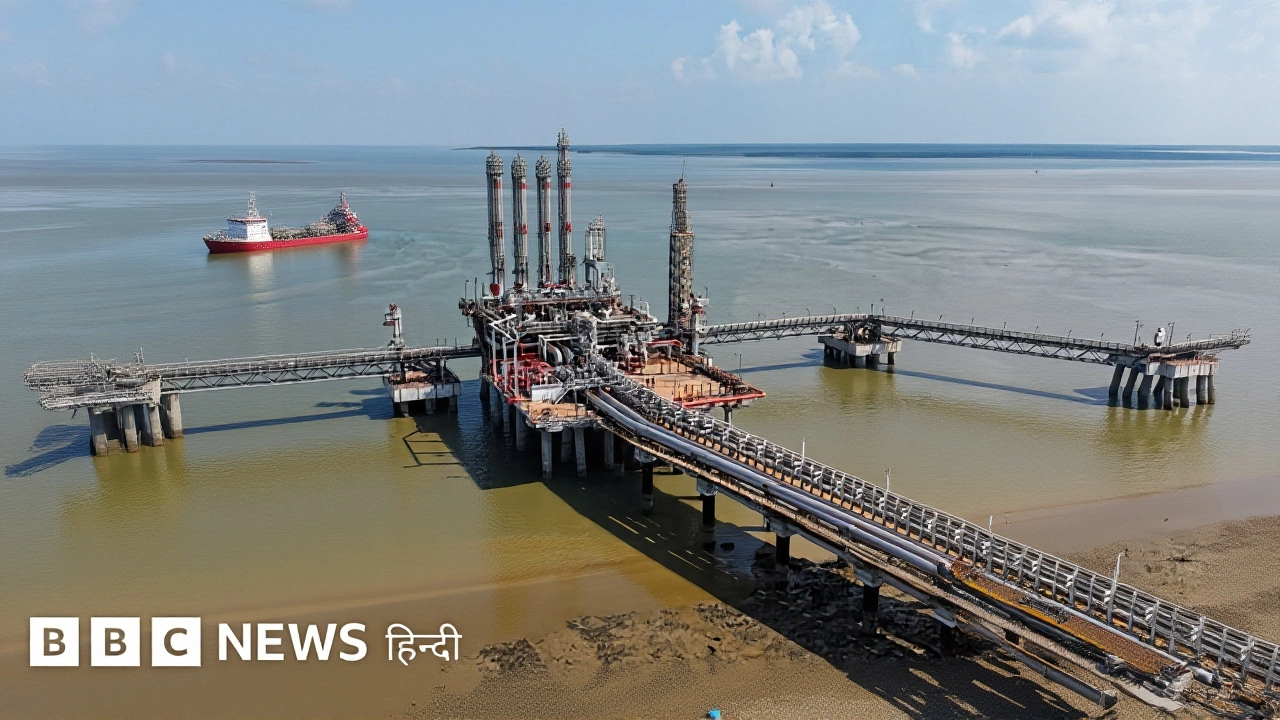
When the Strait of Hormuz effectively shut down on February 28, 2026, it didn’t just ripple through global oil markets—it slammed into the heart of India's energy infrastructure. The conflict involving Iran, the United States, and Israel has choked off a critical maritime artery, halting nearly all liquefied natural gas (LNG) shipments from Qatar. For India, which relies on this route for 50-60% of its LNG supply, the sudden stoppage meant that 10 to 11 million tonnes per year (MTPA)—roughly 40-45% of annual imports—vanished overnight.
Here’s the thing: you don’t notice the gas until it’s gone. Suddenly, major distributors like GAIL and Petronet LNG found themselves staring at empty tanks and stranded tankers. The Qatari allocation for GAIL dropped to zero. It wasn't just a logistical hiccup; it was a supply chain shockwave that reached households in Lucknow and commercial kitchens across the country within days.
The Choke Point Closes
The timeline is stark. On February 28, 2026, security risks in the Strait escalated to the point where maritime navigation became untenable. Petronet LNG filed a disclosure with the Bombay Stock Exchange stating that three key Qatari tankers—the Disha, Rahi, and Asim—could not safely pass through the strait under their long-term supply agreements. These vessels are lifelines for domestic distribution.
But wait, it gets more complex. While the Gulf route froze, India’s energy mix isn’t monolithic. GAIL still had four vessels operating: the GAIL Bhuvan, GAIL Urja, Grace Emilia, and a chartered carrier from CoolCo. These ships bypassed the Middle East entirely, routing LNG from Sabine Pass and Cove Point in the United States through the Suez Canal. This alternative path kept the lights on, but it couldn’t fully replace the volume lost from Qatar and the UAE.
Who Felt the Pinch?
The impact cascaded down the value chain. Major players like Indraprastha Gas Limited (IGL), Mahanagar Gas Limited (MGL), and Gujarat State Petronet Limited (GSPL) faced immediate shortages. Aegis Logistics, handling the physical movement, reported severe disruptions.
On the ground, the anxiety was palpable. In cities like Lucknow, Uttar Pradesh, long queues formed outside LPG godowns. Reports from Aaj Tak highlighted growing fears among common citizens about household cylinder availability. It wasn’t just homes feeling the squeeze; commercial users—hotels, restaurants, and industries—triggered an “alarm” status for commercial gas supplies just one day after the crisis peaked. The question on everyone’s mind shifted from price hikes to simple availability.
Data Behind the Crisis
To understand the scale, look at the numbers. In 2025, India imported an average of 0.95 million tonnes of LNG monthly from Qatar and 0.27 million tonnes from the UAE. Together, they were the backbone of Indian gas imports. When the Hormuz closure hit:
- March 2026 Imports: Plummeted to 1.67 million tonnes.
- April 2026 Recovery: Rebounded slightly to 1.95 million tonnes as alternative sources kicked in.
- Strategic Reserves: The government cited approximately 2.5 months of oil reserves to cushion the blow.
Interestingly, despite the panic, a nationwide blackout didn’t happen. Why? Because India moved fast. The rebound in April shows that policy shifts and emergency sourcing worked, albeit partially. However, experts warn that if the conflict drags on, these temporary fixes will wear thin.
Government Response and Future Outlook
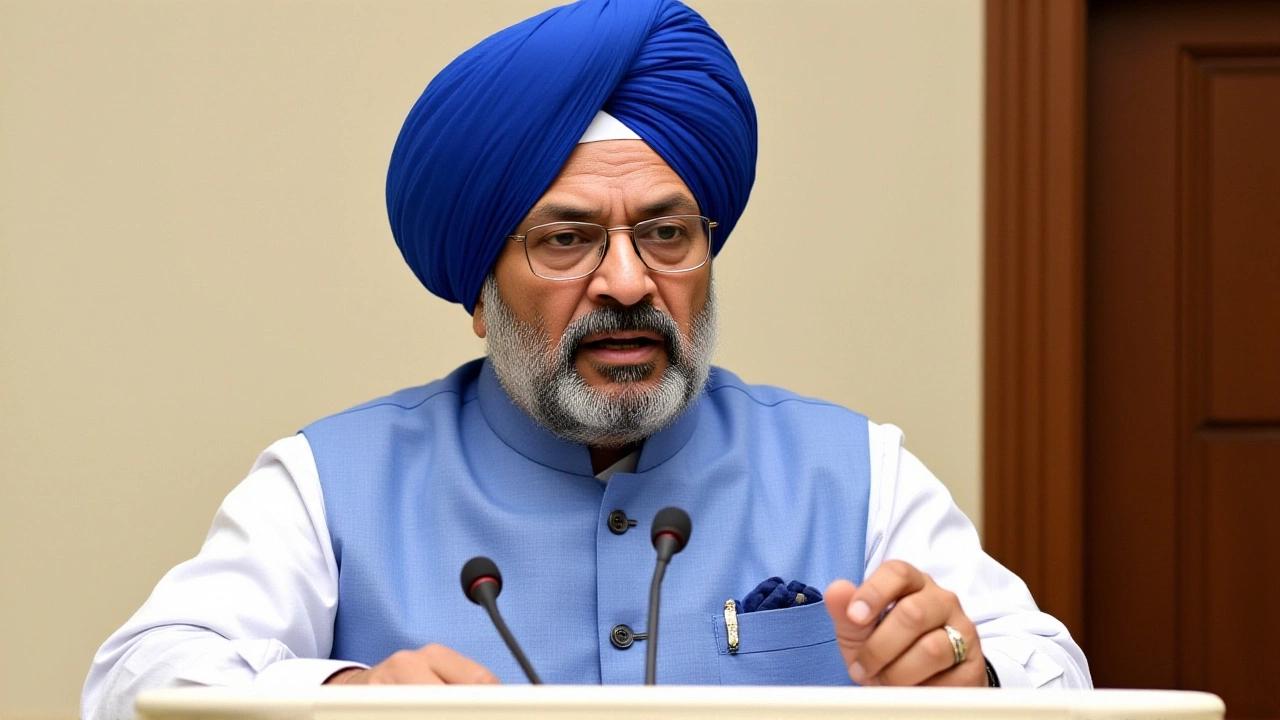
The Indian government has been quick to reassure the public, citing adequate gas supplies and strategic oil reserves. Yet, the underlying vulnerability remains. With Indian-flagged merchant vessels still trapped in the Persian Gulf region, as reported by Navbharat Times, the geopolitical tightrope walk continues.
The twist is that this crisis might accelerate a long-overdue diversification strategy. Relying heavily on a single chokepoint proved risky. We’re likely to see faster moves toward domestic production, renewable integration, and broader import partnerships beyond the Gulf. But for now, every tanker passing through the Suez is a small victory in a larger energy war.
Frequently Asked Questions
Why did the Strait of Hormuz closure affect India so badly?
India imports roughly 50-60% of its LNG through the Strait of Hormuz, primarily from Qatar and the UAE. When the strait closed due to conflict involving Iran, the US, and Israel, this massive volume of fuel was physically blocked from reaching Indian ports, causing an immediate supply shock.
Which companies were most impacted by the gas shortage?
Major distributors including GAIL, Petronet LNG, Indraprastha Gas Limited (IGL), Mahanagar Gas Limited (MGL), and Gujarat State Petronet Limited (GSPL) faced significant disruptions. GAIL specifically saw its Qatari LNG allocation drop to zero, forcing reliance on US-based shipments via the Suez Canal.
Did ordinary households face LPG shortages?
Yes, reports indicated long queues at LPG depots in cities like Lucknow. While a total national shortage was avoided due to strategic reserves and alternative imports, many consumers experienced delays in booking and delivering household cylinders, and commercial users faced stricter rationing.
How did India recover some of its LNG imports by April 2026?
After imports fell to 1.67 million tonnes in March 2026, they rose to 1.95 million tonnes in April. This recovery was driven by increased shipments from the United States via the Suez Canal and emergency sourcing from other non-Gulf countries, though volumes remained below pre-crisis levels.
What is the government's stance on future energy security?
The government has assured the public of sufficient supplies, citing 2.5 months of oil reserves. However, analysts suggest this event will push India to accelerate diversification of energy sources, reduce dependence on the Hormuz route, and potentially boost domestic LNG production capabilities.